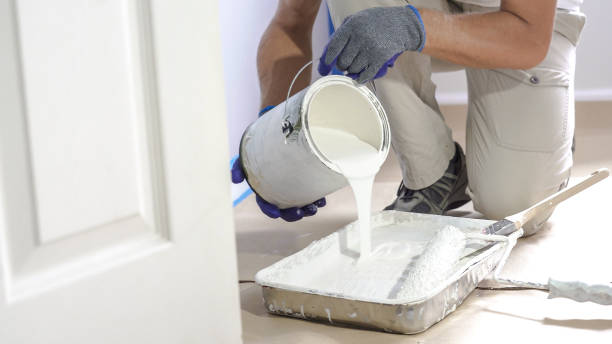
Repainting your home, whether interior or exterior, is an essential part of maintaining its appearance and structural integrity. The frequency of repainting depends on factors such as the quality of paint, environmental conditions, and the specific surface being painted. Below is a detailed guide to help you determine how often you should repaint both the interior and exterior of your home.
Factors That Affect Repainting Frequency
- Quality of Paint: Higher-quality paints tend to last longer and require less frequent touch-ups.
- Surface Material: Different materials, such as wood, stucco, or drywall, have varying repainting needs.
- Climate Conditions: Homes in regions with extreme weather (e.g., heavy rain, intense sunlight) may require more frequent painting.
- Usage Levels: High-traffic areas like living rooms or hallways show wear faster than less-used spaces like guest rooms.
- Maintenance Practices: Regular cleaning and upkeep can extend the lifespan of paint on both interiors and exteriors.
Interior Repainting Guidelines
| Room/Area | Recommended Frequency | Why? |
| Bedrooms (Adult) | Every 5–7 years | Minimal wear; long-lasting finishes |
| Children’s Bedrooms | Every 3–5 years | Higher activity levels; scuffs common |
| Hallways & Corridors | Every 2–4 years | Frequent contact with walls |
| Kitchens | Every 3–5 years | Grease stains and heat may damage paint |
| Bathrooms | Every 3–5 years | Moisture can cause bubbling or peeling |
| Living Rooms | Every 5–7 years | Less daily wear but exposure to sunlight |
For high-traffic areas or walls that experience frequent contact (e.g., near light switches or door frames), consider using washable paints to maintain cleanliness without compromising durability.
Exterior Repainting Guidelines
Exterior painting serves not only an aesthetic purpose but also acts as a protective barrier against environmental factors such as rain, UV rays, and temperature changes.
Recommended Timeframes Based on Surface Type:
- Wood Siding: Every 3–7 years (or every 4 years if stained). Wood is particularly vulnerable to moisture and sun damage over time.
- Stucco: Typically lasts around 5–10 years before needing fresh paint unless cracks develop due to temperature fluctuations.
- Brick: Painted brick can last between 15–20 years when maintained properly; however, natural brick does not usually require painting unless sealing or coating is added for color purposes.
- Aluminum Siding: Should be repainted approximately every 5 years due to fading from sun exposure.
Climate-Specific Considerations:
If your home is in an area prone to intense heat or freezing temperatures: – Check for peeling or blistering annually. – Opt for weather-resistant paints designed specifically for these conditions.
Tips To Maximize Paint Longevity
Whether indoors or outdoors:
1. Prepare surfaces thoroughly by cleaning dirt/grime before applying new coats.
2. Use primer where necessary—this ensures better adhesion.
3. Choose fade-resistant paints for areas exposed directly under sunlight.
4. Inspect surfaces annually to address small imperfections early.
By following these guidelines tailored toward individual space needs—and considering material longevity—you can maintain both beauty functionality efficiently over time
Signs That Indicate It’s Time to Hire Florida Painters
Repainting your home is more than just a way to refresh its appearance. It also protects your walls, ceilings, and exterior surfaces from wear and tear. Knowing when it’s the right time to repaint can save you time and money in the long run. Below are common signs that it may be time to update your home’s paint job.
How to Prevent Fading or Discoloration in Interior & Exterior Painting Florida
Paint tends to fade over time due to exposure to sunlight, moisture, or the natural aging of pigments. If you notice that your walls or exterior appear dull or uneven in color, it might be time for a fresh coat of paint.
- Interior Spaces: Rooms with large windows often experience fading more quickly because of direct sunlight exposure.
- Exterior Spaces: South-facing walls are particularly vulnerable as they receive the most sunlight during the day.
www.goodreads.com/user/show/198861211-kendall-pest-pest
2. Peeling, Cracking, or Bubbling Paint
Peeling, cracking, or bubbling paint is not only unsightly but also a sign that underlying issues might be present, such as water damage or improper surface preparation during a previous paint job.
- Cracks in paint can lead to further deterioration of underlying surfaces.
- Bubbling often occurs when moisture gets trapped beneath the paint layer.
Addressing these issues promptly through repainting can prevent further damage to your walls or exterior surfaces.
3. Stains That Won’t Wash Away
Stubborn stains from smoke, cooking grease, water leaks, or general wear and tear can leave certain areas looking permanently dirty despite cleaning efforts. A new coat of high-quality paint can cover these stains effectively while adding a fresh look to your space.
| Type of Stain | Common Causes | Recommended Solution |
| Smoke stains | Cigarettes, fireplaces | Repaint with stain-blocking primer |
| Grease stains | Cooking splatters | Clean thoroughly before repainting |
| Water stains | Leaks from plumbing/roof | Repair source & repaint with mildew-resistant paint |
4. Visible Damage on Walls or Siding
Over time, walls and siding may show signs of physical damage such as dents, scratches, holes, or warping. These imperfections detract from the overall appearance and protection offered by paint.
- For interior walls, patching holes or cracks before applying new paint ensures a smooth finish.
- For exterior siding, repairing damaged panels helps maintain structural integrity before repainting.
5. Outdated Color Scheme
- Neutral tones are ideal for creating timeless looks.
- Bold colors can add personality but may need touch-ups more frequently due to wear.
6. Preparing for Resale
A freshly painted home appeals more to potential buyers by creating an impression of cleanliness and care. Both interior and exterior painting updates can increase curb appeal and help maximize resale value.
Repainting at the right moment helps maintain both aesthetics and functionality throughout your property while extending its lifespan against environmental factors like weathering or moisture intrusion. Regularly inspect for these indicators so you can plan your next painting project effectively.
The Importance of Repainting: Enhancing Aesthetic and Protecting Surfaces
Repainting your space goes beyond simply refreshing its appearance. It plays an essential role in maintaining the value, functionality, and beauty of your property. Whether it’s the interior or exterior of your home, a well-executed repaint offers both aesthetic enhancement and crucial protection for surfaces.
Enhancing Aesthetic Appeal
- Modernize the look of a room by incorporating trending colors or finishes.
- Customize spaces to reflect personal tastes or new interior design themes.
- Create an inviting atmosphere by selecting tones that evoke warmth or relaxation (e.g., soft neutrals for bedrooms).
- Brighten up areas with lighter hues to make smaller spaces feel larger and more open.
For exterior surfaces, repainting not only enhances curb appeal but also ensures your property stands out in the neighborhood, potentially influencing property value positively.
Protecting Surfaces
- Prevents damage from humidity in bathrooms and kitchens by using moisture-resistant paints.
- Seals minor cracks and imperfections to prevent further deterioration.
- Reduces stains and marks caused by daily activities.
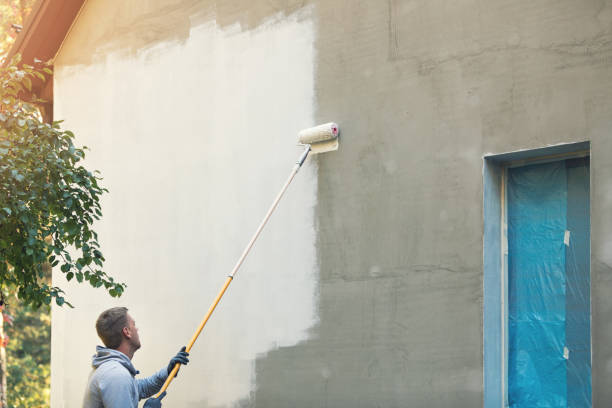
- Shields against weather damage such as rain, sun exposure, wind erosion, and snow.
- Deters pest infestations by sealing gaps where insects may enter.
- Protects wood siding from rotting and metal surfaces from rusting through appropriate paint finishes.
| Surface Type | Common Risks Without Paint | Protection Offered by Repainting |
| Wood (Exterior) | Rotting due to moisture | Prevents water absorption |
| Metal (Gates/Roofs) | Rusting | Acts as a rust-inhibiting barrier |
| Drywall (Interior) | Cracks/Peeling | Fills small gaps; prevents further cracking |
Boosting Longevity
Regular repainting ensures that both interior and exterior walls remain in optimal condition for years to come. Paint works as a proactive solution that delays costly repairs caused by neglect over time.
- For interiors, this means less frequent patch-ups due to stains or chips on the walls.
- For exteriors, it offers extended resistance against harsh weather conditions that may otherwise lead to structural degradation.
Repainting isn’t just about visual changes; it’s an investment in preserving the integrity of your home while elevating its overall appeal. By addressing both aesthetic needs and practical protection requirements through painting projects, homeowners can ensure their properties remain vibrant and well-maintained over time.
Choosing the Right Painting Company Florida: When and Why to Update Your Walls
Repainting the interior of your home is a task that not only enhances its aesthetic appeal but also helps maintain the condition of your walls. However, determining when and why to repaint can sometimes be challenging. Below, we break down factors to consider when planning your interior painting projects along with practical timelines.
General Timelines for Interior Repainting
| Area/Room | Recommended Repainting Interval |
| Living Room & Dining Room | Every 5–7 years |
| Hallways | Every 2–3 years |
| Bedrooms (Adult) | Every 5–8 years |
| Kids’ Bedrooms | Every 2–3 years |
| Kitchens & Bathrooms | Every 3–4 years |
These intervals are based on typical wear and tear, but individual circumstances may vary.
Factors That Determine Repainting Frequency
- Wall Condition: Cracks, peeling paint, or stains signal it’s time for a refresh.
- Usage Levels: High-traffic areas like hallways tend to need more frequent attention.
- Color Trends: Changing design preferences or outdated colors often call for updates.
- Exposure to Light: Rooms with significant natural light can experience faster fading.
- Quality of Previous Paint Application: High-quality paints and professional application can extend the lifespan of your walls’ appearance.
Reasons to Repaint Your Interior Walls
- Improved Aesthetics
Over time, even neutral tones can look dated. A fresh coat of paint revitalizes the space and aligns it with current design preferences. - Maintaining Air Quality
Older paints may release VOCs (volatile organic compounds) over time. Using modern low-VOC or zero-VOC paints during a repainting project improves indoor air quality. - Protecting Surfaces
Paint acts as a protective layer against moisture, stains, and minor damage such as scrapes or dents. - Hiding Wear and Tear in High-Traffic Areas
Spaces like hallways are prone to scuffs, marks, and dirt buildup over time. Regular updates help maintain a polished look.
Tips for Extending the Life of Your Interior Paint
- Opt for durable finishes such as satin or semi-gloss in high-use areas.
- Clean painted surfaces regularly with mild soap and water to remove dirt without damaging paintwork.
- Use high-quality primer during initial applications for better adhesion and coverage.
Reassessing your interior spaces every few years ensures that they remain both functional and visually appealing while protecting underlying surfaces effectively.
House Painters Florida: Best Practices for Long-Lasting Exterior Painting Results
Maintaining your home’s curb appeal and structural integrity relies heavily on regular exterior painting. The exterior of your home is constantly exposed to harsh weather conditions, UV rays, and environmental pollutants, all of which can degrade the quality of the paint over time. Understanding the best practices and timelines for repainting the exterior can help you extend its lifespan while keeping your home looking vibrant.
How Often Should You Repaint Your Home’s Exterior?
- Wood Siding: Every 3–7 years, depending on exposure to sunlight and moisture.
- Stucco: Every 5–6 years or longer if high-quality paint is used.
- Brick (Painted): Every 15–20 years if properly maintained.
- Fiber Cement Siding: Every 10–15 years due to its durability.
- Aluminum or Vinyl Siding: Every 5–10 years unless fading occurs earlier.
These timelines can vary based on location-specific conditions such as extreme heat, heavy rain, snow, or coastal air with salt content.
Factors That Affect Paint Longevity
- Paint Quality
Premium-grade paints tend to last longer as they have better adhesion and resist chipping or peeling. Opt for paints designed specifically for outdoor use with UV protection features. - Preparation Work
Proper surface preparation ensures that new paint adheres well. This includes cleaning surfaces thoroughly, scraping off loose paint, sanding rough areas, and applying a primer where necessary. - Climate Conditions
Homes in humid areas may require more frequent repainting to prevent mold or mildew buildup. Similarly, sunny regions experience faster fading due to prolonged UV exposure. - Color Choice
Darker colors tend to fade more quickly than lighter shades when exposed to direct sunlight over time. - Application Method
Using professional techniques such as even brush strokes or airless spraying ensures consistent coverage that lasts longer.
Best Practices for Exterior Repainting
- Select Weather-Tolerant Paints: Choose paints labeled for specific climates (e.g., high-humidity areas) to protect against environmental wear-and-tear.
- Inspect Regularly: Look for signs like peeling paint, cracks in caulking around windows/doors, fading color tones, or water stains that suggest it’s time for a fresh coat.
- Clean Surfaces Annually: Power wash your home’s exterior regularly to remove dirt buildup that may degrade the paint layer over time.
- Use Sealants and Primers When Needed: Always apply primers where the old surface is porous or damaged before adding a finish coat.
Table: Suggested Maintenance Steps Based on Material
| Exterior Material | Recommended Maintenance Steps | Repainting Frequency |
| Wood Siding | Sand rough spots; reapply water-resistant sealant | 3–7 years |
| Stucco | Repair cracks; power wash annually | 5–6 years |
| Fiber Cement Siding | Inspect caulking; clean dirt from grooves | 10–15 years |
| Aluminum/Vinyl Siding | Wash off grime; inspect protective coating | 5–10 years |
Timing Considerations
- Aim for moderate temperatures (50°F–85°F) with minimal wind.
- Avoid painting during rainy seasons as excess moisture can interfere with drying times.
- Spring and early fall are generally ideal seasons in most regions.
By adhering to these best practices and understanding material-specific needs, you can ensure your home’s exterior remains protected while retaining its visual charm over many years ahead.
- Comprehensive Guide to Painting Services Florida: How Often Should You Repaint Your Home
- Essential Tips from Florida Painters: How Often Should You Repaint Your Walls
- How Often Does Your Home Need Interior & Exterior Painting Florida for Lasting Beauty
- How Often Should Florida Painters Recommend Painting the Exterior of Your Home and What Factors Affect the Timing
- Florida painters: Interior vs Exterior
- Ultimate Guide to Property Painting: Maintenance Practices, Repaint Planning, and Industry Insights